
Wakeboarding is one of the most thrilling water sports, combining the speed of water skiing with the tricks and jumps of a board sport. Any camper heading to a wakeboard camp or a water sports camp like Camp Pillsbury, the top summer camp in the Midwest USA, should know that staying safe on the water is just as important as learning how to shred.
Here are some essential wakeboarding safety tips every camper should follow.
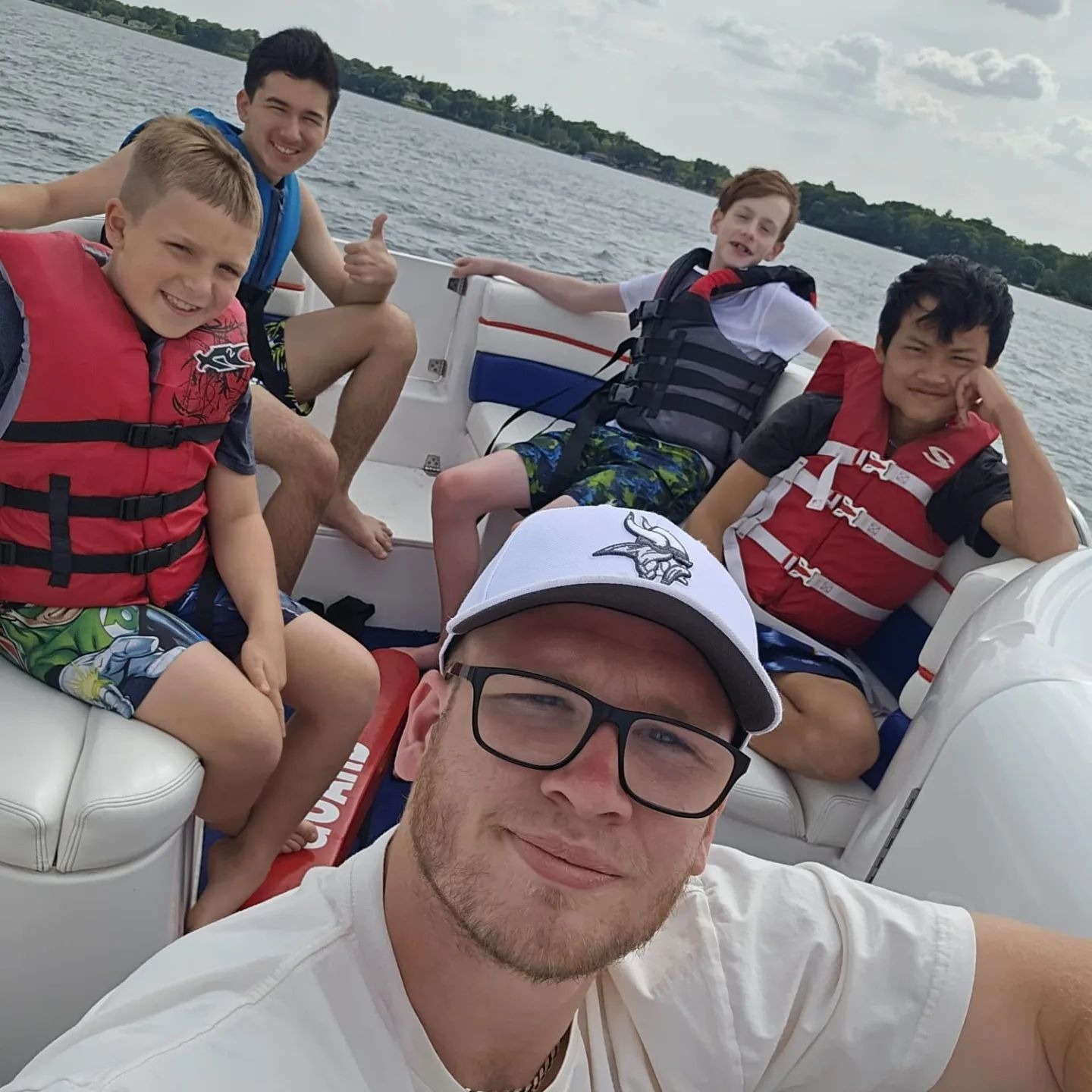
1. Always Wear a Life Jacket
2. Use Proper Wakeboarding Gear
3. Warm Up Before Riding
The campers are to warm up and stretch before getting on the board. When balancing, jumping, or falling, stretching the legs, arms, and back will prevent muscle injuries. It is also required to train the body to move suddenly.
4. Learn How to Fall Safely
5. Beware of the Boat Pilot and Looker
6. Mind Your Surroundings
7. Progress at Your Own Pace
8. Practice Good Body Position
9. Hydrate and Take Breaks
10. Protect Yourself from The Sun
Why These Safety Tips Matter at a USA Water Sports Camp
Concluding Remarks
If you’re looking for a top-tier wakeboard camp or water sports camp in Minnesota, Camp Pillsbury is a fantastic option. Camp Pillsbury, in Owatonna, has many water sports, such as wakeboarding, waterskiing, tubing, and kayaking, among others.
Their flexible camp programs allow campers to choose their daily activities, ensuring everyone can learn and grow at their own pace. By following these wakeboarding safety tips, campers can have an unforgettable, safe, and empowering experience on the water. Reach out today to learn more about the watersports available at the summer camp!
FAQs
Yes, wakeboarding is safe for beginners. We at Camp Pillsbury offer trained instructors, proper safety gear, and slow learning progression for your children so that they can enjoy the watersport.
Campers need a fitted wakeboard, bindings, a life jacket, a tow rope, a helmet, and appropriate swimwear for safe wakeboarding practice.
Most campers learn basic wakeboarding skills within a few sessions. However, developing skills depends on balance, practice frequency, and instructor guidance.
